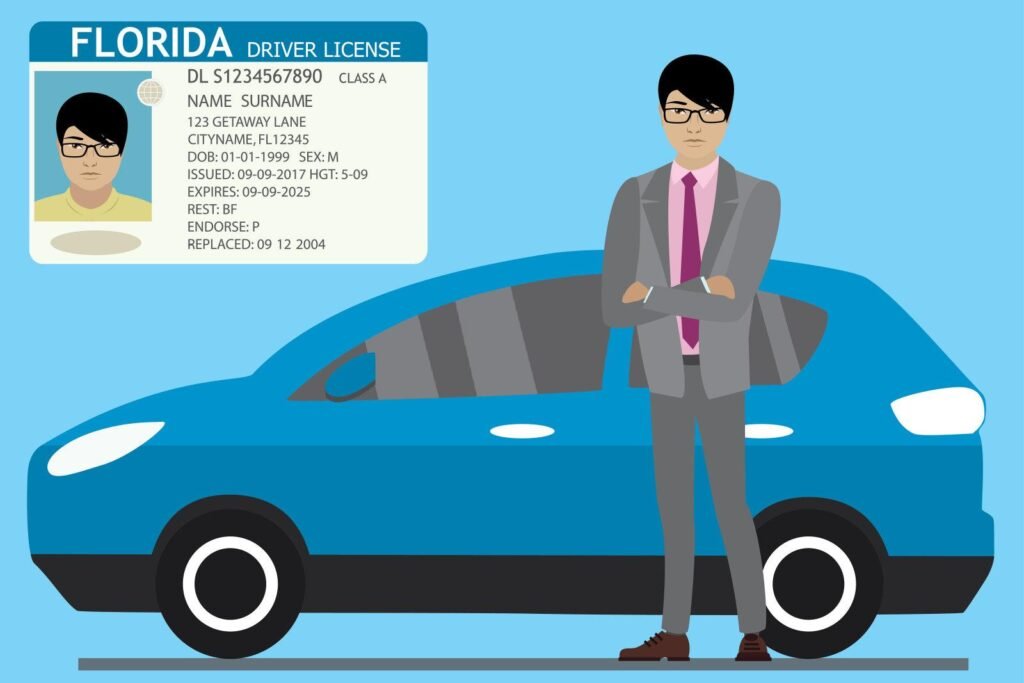
The Evolution of Driver’s License Design: From Paper to Plastic
The Evolution of Driver’s License Design: From Paper to Plastic
Driver’s licenses are a fundamental part of everyday life in the United States, serving not only as the key to operating a vehicle but also as a primary form of identification. The journey of the driver’s license from simple paper documents to today’s sophisticated plastic cards is a fascinating story of technological advancement and social change.
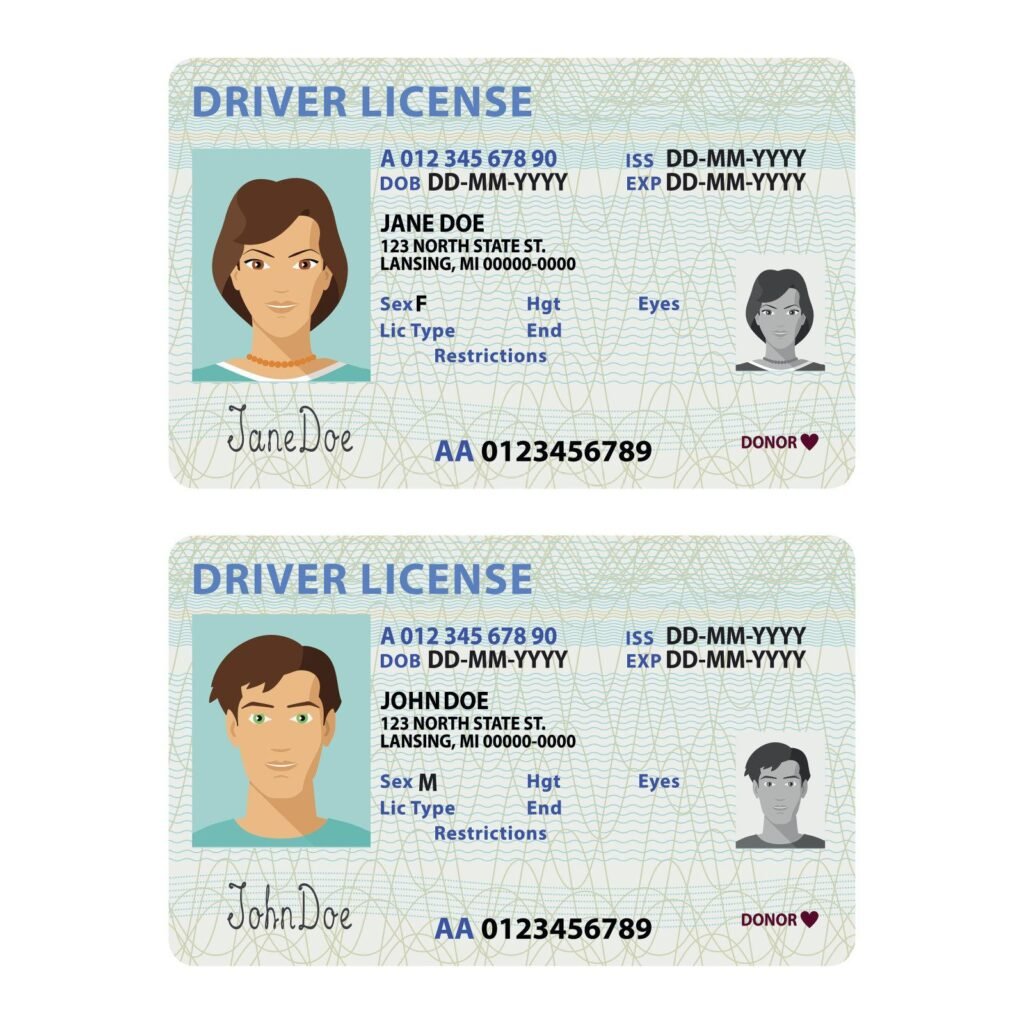
In the early 20th century, as automobiles began to populate American roads, states started to issue driver’s licenses primarily to ensure that drivers had a basic understanding of road safety. These early licenses were simply printed on paper or cardstock. They included essential information such as the driver
’s name, age, and sometimes a physical description.
Back then, the focus was more on providing a record rather than ensuring security. Licenses were easy to duplicate, and personal identification largely depended on trust and the honesty of individuals.
Transition to Lamination: The First Step Towards Security
As the number and speed of vehicles increased, so did the need for more secure and durable identification. By the mid-20th century, states began to laminate paper licenses. This was a critical development to protect them from damage and prevent easy alterations.
Lamination also marked the beginning of incorporating photographs into driver’s licenses, making them more personal and harder to forge. This change was a direct response to the growing sophistication of identity fraud.
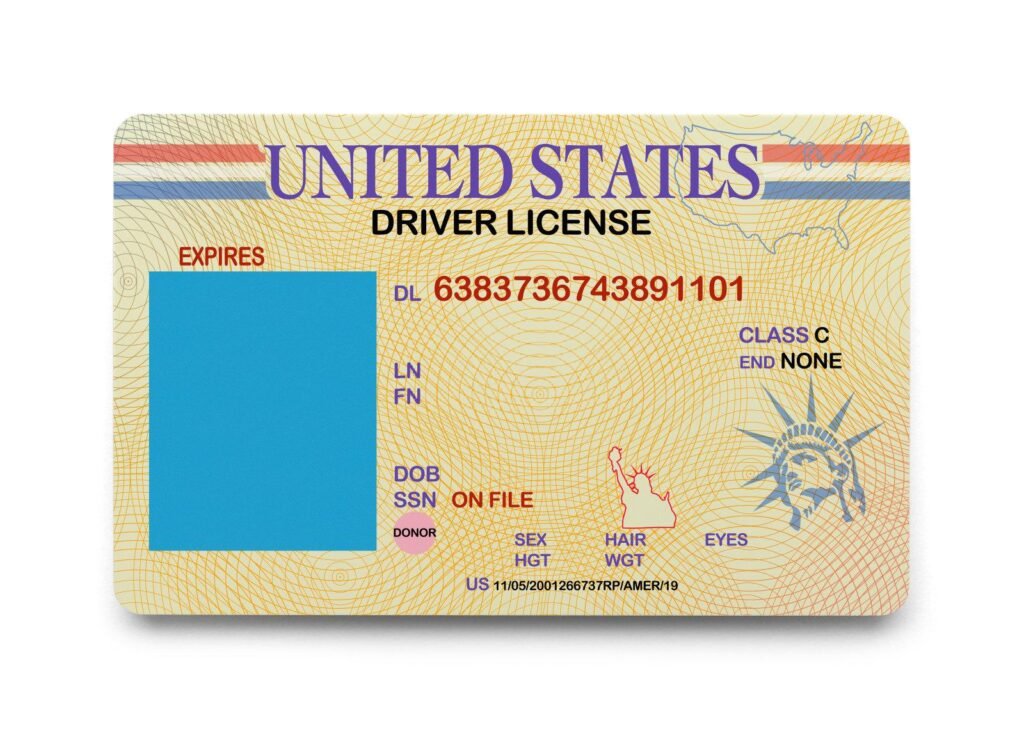
The Plastic Revolution: Durable and Secure
The real transformation began in the late 20th century with the shift to plastic, credit-card-sized licenses. This change wasn’t just about durability; it opened new possibilities for incorporating advanced security features:
Holograms: Introduced as a deterrent against forgery, holograms provided a visually striking layer of security by embedding three-dimensional images that are difficult to replicate.
Barcodes and Magnetic Stripes: These technologies allowed for the storage of data that could be read electronically, making licenses not just identification tools but also dynamic data carriers for law enforcement.
Digital Photographs: The inclusion of digital images improved the clarity and detail of photographs, making it easier to confirm identities at a glance.

Modern Innovations: Beyond Simple Identification
Today, driver’s licenses are marvels of technology and design, featuring elements such as:
Real ID Compliance: Triggered by post-9/11 security concerns, many states have embraced Real ID standards, requiring physical proof of identity and residency before issuance and marked by a star or similar symbol on the card.
Polycarbonate Construction: Polycarbonate material offers unparalleled durability and is used by several states to embed laser-engraved images for added security.
Smart Chips: Some states are exploring licenses with embedded microchips, similar to those in passports, to enhance security further and provide more comprehensive data storage.

The Road Ahead: Digital Driver’s Licenses
As we embrace the digital age, the next evolutionary step for driver’s licenses is already on the horizon with the concept of digital licenses. These virtual IDs promise convenience and security, allowing users to store their licenses on smartphones, which could eliminate the need for a physical card altogether.
However, this transition brings its own challenges, such as privacy concerns and the need for secure frameworks to prevent hacking and unauthorized access.

Conclusion
The evolution of driver’s license design in the U.S. is a testament to how technology can transform everyday objects to meet the ever-changing needs of society. From simple pieces of paper to secure, tech-laden cards, driver’s licenses reflect not only advances in technology but also shifts in societal expectations about security and identity.
As we look forward to a future of digital identification, it’s clear that the journey of the driver’s license is far from over. One thing remains certain: as technology progresses, so too will our methods of identification, riding the wave of innovation to meet the demands of a rapidly changing world.